🎉 Up to 70% Off Selected ItemsShop Sale

$7.99
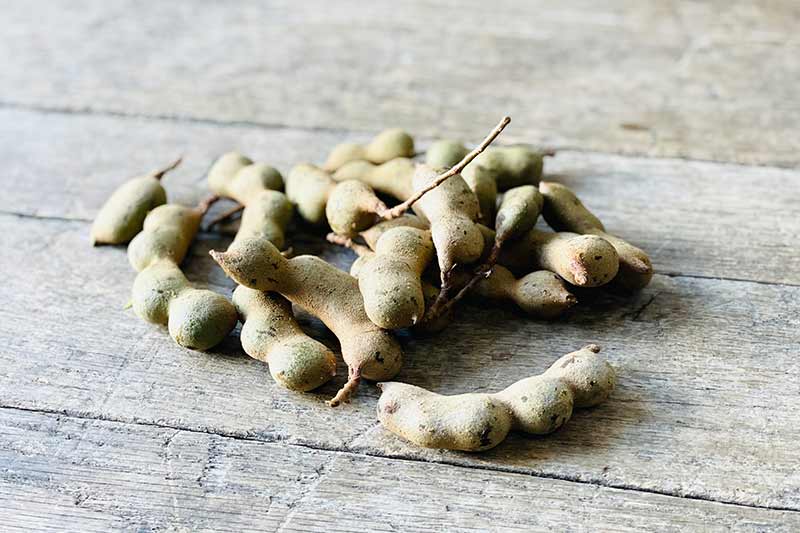
Green Tamarind Pod—
$7.99
The Story
When green, the hard green/white pulp of young tamarind fruit is often used as a component of savory dishes, in a broth, as a pickling agent. It's commonly used to make a Filipino soup called sinigang.
Sour when green, sweet with a hint of sour when ripe. When Tamarind is ripe, the brittle shell cracks open easily to reveal seeds covered in a sticky, sweet/sour paste that's high in vitamin B and calcium. Some people crack the fresh pods and suck the paste off the seeds, like Li Hing Mui.
Grown in Hawaiʻi
Sour when green, sweet with a hint of sour when ripe. When Tamarind is ripe, the brittle shell cracks open easily to reveal seeds covered in a sticky, sweet/sour paste that's high in vitamin B and calcium. Some people crack the fresh pods and suck the paste off the seeds, like Li Hing Mui.
Grown in Hawaiʻi
Description
When green, the hard green/white pulp of young tamarind fruit is often used as a component of savory dishes, in a broth, as a pickling agent. It's commonly used to make a Filipino soup called sinigang.
Sour when green, sweet with a hint of sour when ripe. When Tamarind is ripe, the brittle shell cracks open easily to reveal seeds covered in a sticky, sweet/sour paste that's high in vitamin B and calcium. Some people crack the fresh pods and suck the paste off the seeds, like Li Hing Mui.
Grown in Hawaiʻi
Sour when green, sweet with a hint of sour when ripe. When Tamarind is ripe, the brittle shell cracks open easily to reveal seeds covered in a sticky, sweet/sour paste that's high in vitamin B and calcium. Some people crack the fresh pods and suck the paste off the seeds, like Li Hing Mui.
Grown in Hawaiʻi